10 eco-friendly things to do in Hawaii
Hawaii is a paradise for travelers who love nature and adventure. But it is also a place that needs care and respect from its visitors, as its environment and resources are fragile and finite. If you want to enjoy Hawaii’s natural beauty and diversity while minimizing your impact and maximizing your benefits, here are 10 eco-friendly things to do in Hawaii:
1. Visit a farm or a botanical garden
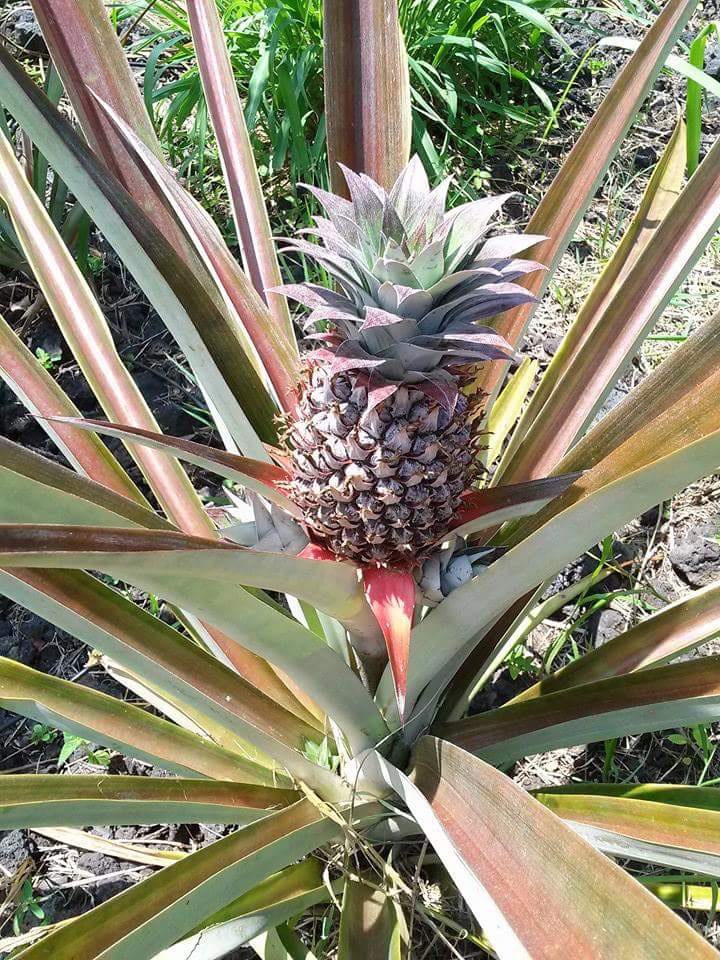
One of the best ways to learn about Hawaii’s local products and plants is to visit a farm or a botanical garden. You can see how Hawaiians grow and use their crops, such as taro, coffee, macadamia nuts, pineapple, and more. You can also taste fresh and organic food and support the local economy and community. For example, on Kauai, you can take a farm tour in the beautiful, green Hanalei taro fields to see how kalo (taro), an important Hawaiian root starch, is cultivated. On Maui, you can visit the Kula Botanical Garden to see over 2,000 species of native and exotic plants, including protea, orchids, hibiscus, and more.
2. Join a volunteer activity
Another way to give back to the place you visit and make a positive difference for its environment and people is to join a volunteer activity. You can choose an activity that suits your interests and abilities, such as beach cleanups, forest restoration, marine conservation, or cultural preservation. You can also meet and interact with locals and fellow travelers who share your passion and values for Hawaii. For example, on Big Island, you can join the GIVE Hawaiʻi Forest Conservation & Responsible Tourism Excursion, which offers a volunteer opportunity for travelers to participate in forest restoration, marine conservation, and regenerative farming projects. On Oahu, you can join the Malama Honua Worldwide Voyage, which offers a volunteer opportunity for travelers to join the crew of the Hokulea, a traditional Polynesian voyaging canoe, and learn about navigation, culture, and sustainability.
3. Choose eco-friendly accommodation
One of the first steps to plan a sustainable vacation is to choose an accommodation that respects the environment and the local community. Look for hotels or vacation rentals that use renewable energy sources, compost waste, provide organic and locally sourced meals, and participate in conservation programs. For example, on Oahu, you can stay at the ‘Alohilani Resort Waikiki Beach, which is on track to become the first carbon-neutral hotel in the state, thanks to initiatives like using renewable electricity and planting 100,000 indigenous trees in a legacy forest. On Big Island, you can book a room at the Inn at Kulaniapia Falls in Hilo, which is an off-the-grid property that uses a waterfall and solar panels to power everything, collects and filters rainwater for drinking and bathing, and offers activities such as farm-to-table cooking classes, waterfall rappelling, and native plant restoration.
4. Support local businesses
Another way to reduce your environmental impact and contribute to the local economy is to support local businesses that offer authentic and sustainable products and services. For example, you can eat at family-run restaurants that serve fresh and local ingredients, such as South Shore Grill near Diamond Head crater or Merriman’s on Kauai, Maui, Oahu, and Big Island. You can also shop at local markets and boutiques that sell handmade crafts and souvenirs made from natural or recycled materials. And you can join tours or activities that are operated by local guides who respect the nature and culture of Hawaii.
5. Engage in nature-based tourism
Hawaii is a paradise for nature lovers, with its diverse landscapes, wildlife, and plants. You can explore its volcanoes, waterfalls, rainforests, beaches, and coral reefs by hiking, biking, kayaking, snorkeling, surfing, or sailing. But while you enjoy these natural wonders, you should also be mindful of your impact on them. Follow these guidelines to engage in nature-based tourism responsibly:
- Stay on marked trails and avoid stepping on or picking plants or animals.
- Keep a safe distance from wildlife and do not feed or touch them.
- Use reef-safe sunscreen and avoid touching or standing on coral reefs.
- Dispose of your trash properly or take it with you.
- Participate in volunteer activities such as beach cleanups or native plant restoration.
6. Learn about Hawaiian culture
Hawaii is not only a place of natural beauty but also a place of cultural richness and diversity. Hawaii has a long and complex history that shaped its language, legends, traditions, art, music, dance, and cuisine. As a visitor, you can learn about Hawaiian culture by visiting museums, historical sites, cultural centers, or festivals. You can also join tours or activities that are led by Native Hawaiians who can share their knowledge and insights with you. For example, you can visit the Bishop Museum in Honolulu, which is the largest museum of natural and cultural history in Hawaii. You can also attend the Merrie Monarch Festival in Hilo, which is the most prestigious hula competition in the world.
7. Respect Hawaiian values
Hawaii has a value system that guides the actions and interactions of Hawaiians with each other, with nature, and with visitors. One of the most important values is Aloha, which means love, kindness, compassion, harmony, and unity. You can practice Aloha by being courteous, grateful, and respectful towards locals and fellow travelers. You can also respect other Hawaiian values by following their etiquette and norms, such as removing your shoes before entering a home or asking permission before taking photos of people or sacred sites. You can also respect Hawaiian spirituality by not disturbing or removing anything from heiau (ancient temples), burial grounds,
or other sacred places.
8. Reduce your carbon footprint
Finally,
you can reduce your carbon footprint by choosing low-emission transportation options whenever possible.
For example,
you can fly with Hawaiian Airlines,
which reduces fuel consumption by lightening cargo on their flights.
You can also use public transportation or rent a bike or an electric car to get around the island.
And you can offset your carbon emissions by donating to organizations that plant trees or support renewable energy projects in Hawaii.
9. Share your experience
The last way to be eco-friendly in Hawaii is to share your experience with others who might be interested in visiting Hawaii.
You can do this by telling your stories
and showing your images
to your friends,
family,
or social media followers.
You can also do this by inspiring others
to travel eco-friendly
in Hawaii
and elsewhere.
10. Enjoy yourself
The most important thing to do in Hawaii is to enjoy yourself.
Hawaii is a place of wonder
and joy,
where you can relax,
explore,
learn,
and connect.
By being eco-friendly,
you can not only make your trip more memorable
but also more meaningful.
You can also help preserve Hawaii’s natural beauty
and cultural diversity
for future generations.

 Travel for a Cause: Explore & Empower
Leave a comment