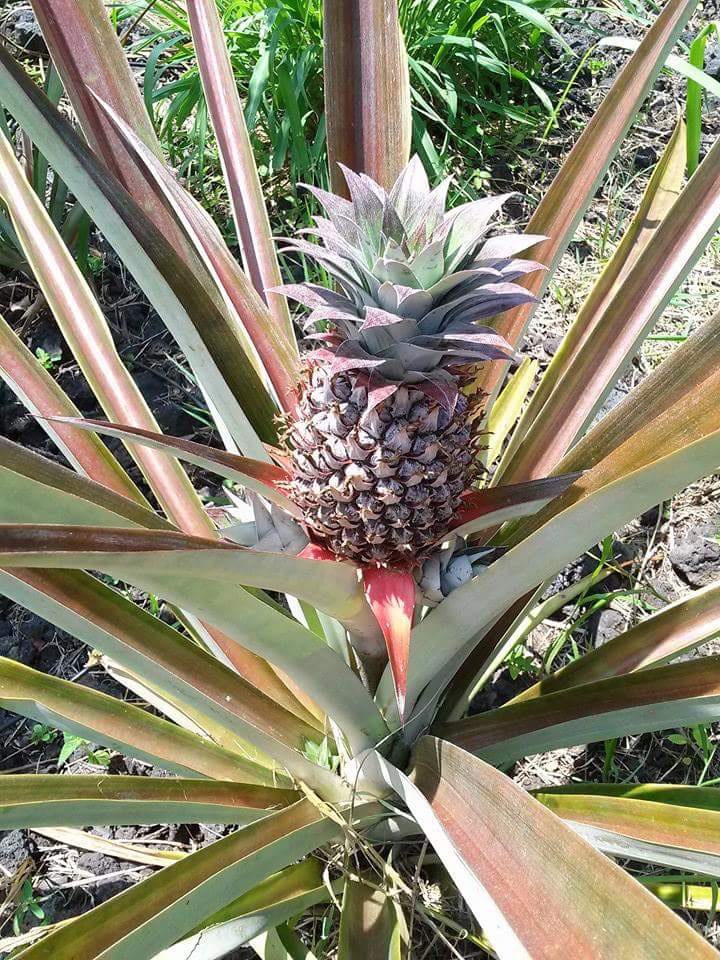
The role of education in conservation: raising awareness for Big Island Hawaii’s environment
Big Island Hawaii is a living classroom. It is a place where you can learn about the wonders and mysteries of nature, the diversity and beauty of life, and the culture and history of the people. It is a place where you can discover new things, explore new possibilities, and develop new skills. It is a place where you can grow as a person, as a learner, and as a citizen of the world.
But Big Island Hawaii is also a place that needs our attention and action. It is a place where you can see the challenges and problems that face the environment, the threats and risks that endanger the wildlife, and the conflicts and inequalities that affect the people. It is a place where you can feel the urgency and responsibility of protecting and preserving what we have. It is a place where you can make a difference by the way you learn.
Education is one of the most powerful tools for conservation. Education means acquiring knowledge, understanding, and awareness of the environment and its issues. Education also means developing attitudes, values, and behaviors that support conservation. Education also means applying what we learn to our daily lives and actions.
Education has a crucial role in raising awareness for Big Island Hawaii’s environment. Here are some of the ways that education can raise awareness for Big Island Hawaii’s environment.
Education can raise awareness of the uniqueness and value of Big Island Hawaii’s environment.
One of the ways that education can raise awareness for Big Island Hawaii’s environment is by raising awareness of the uniqueness and value of Big Island Hawaii’s environment. Big Island Hawaii has a unique and valuable environment that deserves our respect and appreciation. It has 11 of the world’s 13 climate zones and five volcanoes, including the world’s largest and most active. It has some of the rarest and most endangered species of plants and animals on the planet, many of which are found nowhere else. It has stunning landscapes, amazing wildlife, and rich culture that attract millions of visitors every year.
Education can raise awareness of the uniqueness and value of Big Island Hawaii’s environment by providing information, facts, and data about the island’s geology, ecology, and biodiversity; by showing images, videos, and sounds of the island’s natural wonders and diversity; by telling stories, legends, and anecdotes about the island’s natural history and heritage; by inviting experts, guests, or locals to share their knowledge, experience, or perspective about the island’s environment and its issues.
Education can raise awareness of the challenges and threats to Big Island Hawaii’s environment.
Another way that education can raise awareness for Big Island Hawaii’s environment is by raising awareness of the challenges and threats to Big Island Hawaii’s environment. Big Island Hawaii has a vulnerable and threatened environment that needs our protection and care. Its environment is facing multiple challenges and threats from climate change, invasive species, pollution, overdevelopment, and human activities. These challenges and threats are affecting the island’s ecosystems and biodiversity, as well as its economic and social well-being.
Education can raise awareness of the challenges and threats to Big Island Hawaii’s environment by explaining the causes, effects, and solutions of the environmental issues; by showing examples, cases, or scenarios of the environmental problems and impacts; by presenting statistics, graphs, or charts of the environmental trends and indicators; by inviting experts, guests, or locals to share their knowledge, experience, or perspective about the environmental issues and their solutions.
Education can raise awareness of the actions and opportunities for Big Island Hawaii’s environment.
Big Island Hawaii’s environment is not only a source of problems, but also a source of solutions. There are many ways that we can help protect and preserve the island’s environment by taking action and seizing opportunities. We can learn about the potential solutions and innovations that can address the environmental issues, such as renewable energy sources, green technologies, or ecological restoration. We can also learn about the local initiatives and organizations that are working to protect and preserve the island’s environment, such as Hawaii Wildlife Fund, Malama Maunalua, or The Nature Conservancy of Hawaii. We can support their efforts by donating, volunteering, joining, or participating. We can also learn about the ethical practices and behaviors that can reduce our environmental footprint, such as using public transportation or biking instead of driving; recycling and composting our waste; buying local and organic products; avoiding single-use plastics and disposable items; or planting native trees and flowers. We can adopt these practices and behaviors in our daily lives and actions. We can also learn about the educational programs and activities that can enhance our environmental awareness, such as visiting museums, parks, or nature centers; attending workshops, seminars, or events; or joining guided tours or activities. We can join these programs and activities and learn from the experts, guests, or locals who share their knowledge, experience, or perspective about the environmental solutions, initiatives, practices, or programs.
Conclusion
Big Island Hawaii is a place where we can learn a lot about nature, life, and ourselves. It is a place where we can see the beauty and diversity of the environment, but also the challenges and threats that it faces. It is a place where we can feel the urgency and responsibility of protecting and preserving what we have. It is a place where we can make a difference by the way we learn. Education is one of the most powerful tools for conservation. It can help us acquire knowledge, understanding, and awareness of the environment and its issues. It can also help us develop attitudes, values, and behaviors that support conservation. It can also help us apply what we learn to our daily lives and actions. Education can have a crucial role in raising awareness for Big Island Hawaii’s environment. It can help us appreciate the uniqueness and value of the island’s environment; it can help us understand the challenges and threats to the island’s environment; it can help us discover the actions and opportunities for the island’s environment. By doing so, we can help ensure that Big Island Hawaii remains a place where we can learn and grow for generations to come.

 Travel for a Cause: Explore & Empower
Leave a comment