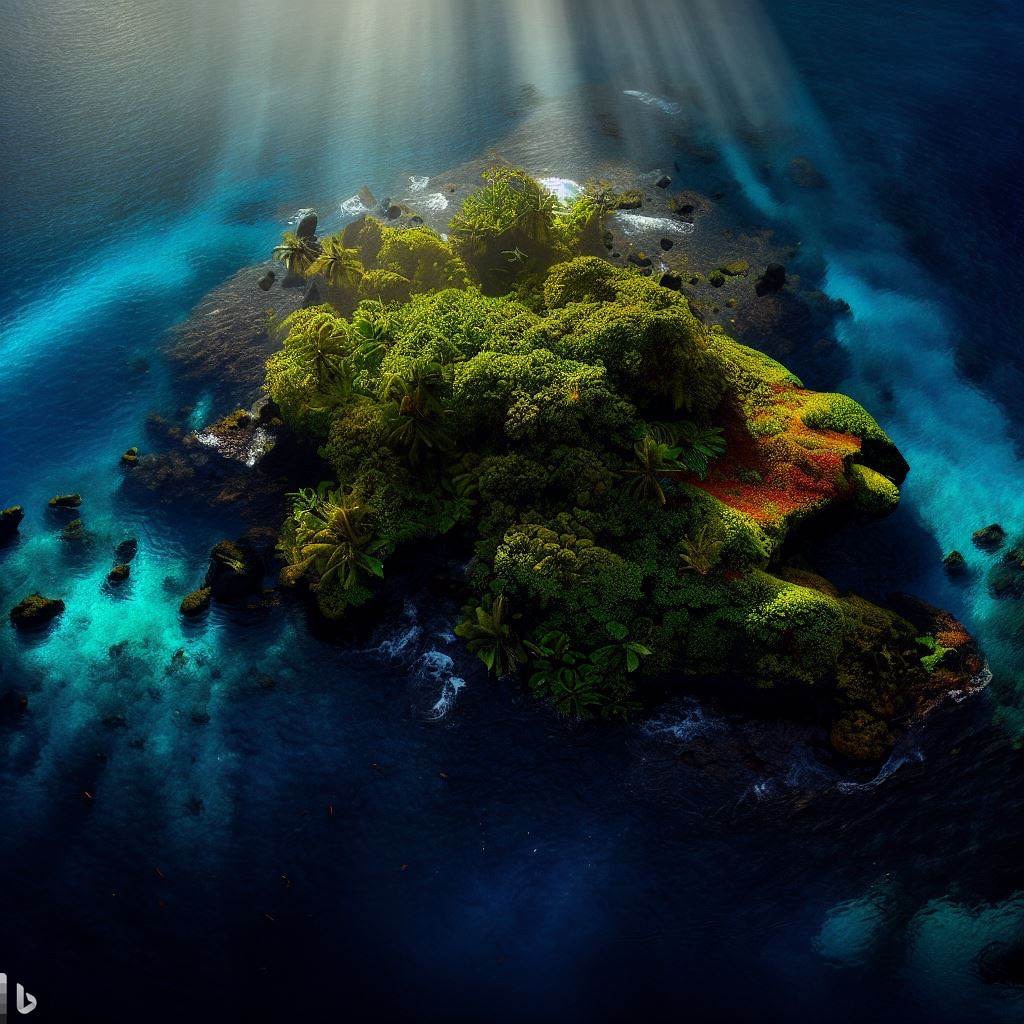
Here are 100 prompts, some short and some long, designed to challenge the current travel and hospitality industry trends in Hawaii.
- Introduce a plant-based menu at local restaurants and hotels.
- Promote eco-friendly tourism practices such as beach cleanups and reduced energy consumption.
- Showcase traditional Hawaiian cultural practices such as hula dancing and lei making in hotels and resorts.
- Offer guests local, organic produce in their room or as an amenity.
- Create an interactive cultural museum in hotels highlighting Hawaiian traditions.
- Develop a sustainability rating system for hotels and resorts.
- Offer guests the opportunity for a farm-to-table experience at local farms.
- Promote bike-sharing and electric scooters as alternative modes of transportation.
- Develop community education programs for guests to learn about local Hawaiian culture.
- Create a coral reef conservation program in hotels to educate guests on environmental conservation.
- Promote the use of reusable water bottles instead of single-use plastic water bottles in hotels and resorts.
- Offer guests unique, sustainable accommodations such as tiny homes and bungalows.
- Incorporate Hawaiian cultural practices into wellness programs, such as lomi lomi massages and yoga.
- Encourage the use of electric vehicles for transportation within hotels and resorts.
- Implement a zero-waste policy in hotels and resorts.
- Develop a program for guests to participate in indigenous gardening and farming practices.
- Offer guests the opportunity to give back through community service projects.
- Partner with local nonprofits to support community development efforts.
- Promote the use of composting for organic waste at hotels and resorts.
- Create a mobile app that showcases sustainable tourism options in Hawaii.
- Develop a program for guests to learn about traditional Hawaiian medicine and healing practices.
- Incorporate sustainable materials into hotel and resort design, such as bamboo furniture and recycled glass walls.
- Promote the use of natural, biodegradable cleaning products in hotels and resorts.
- Feature local artists and musicians in hotels and resorts, creating an immersive cultural experience for guests.
- Offer guests the opportunity to participate in traditional Hawaiian crafts and art forms, such as weaving and woodcarving.
- Develop educational programs for guests on sustainable seafood practices.
- Create a “green points” system for guests who engage in sustainable practices during their stay.
- Offer guests electric bikes for exploring the islands.
- Develop a program for guests to learn about Hawaiian mythology and legends.
- Encourage hotels and resorts to eliminate single-use plastic products such as straws and utensils.
- Collaborate with ocean conservation organizations to protect and preserve Hawaii’s marine life.
- Offer guests the opportunity to participate in cultural immersion experiences, such as canoe voyages and hula performances.
- Develop a program for hotels and resorts to transition to renewable energy sources such as solar power.
- Offer guests a plastic-free welcome kit upon arrival.
- Create a “sustainable tourism pledge” for Hawaiians and visitors to sign, committing to responsible tourism practices.
- Promote agro-tourism, allowing guests to tour and visit local farms.
- Implement a “carbon offset” program that allows guests to offset their carbon footprint from air travel.
- Partner with local businesses to offer sustainable transportation options for guests, such as bike rentals or car-sharing.
- Encourage hotels and resorts to eliminate paper mailers and switch to electronic communications.
- Develop a program for guests to learn about traditional Hawaiian navigation and wayfinding.
- Offer guests the opportunity to experience Hawaiian ceremonies and protocol, such as a traditional Hawaiian blessing.
- Promote the use of solar-powered charging stations for electric cars.
- Offer guests sustainable gift shop options, such as local, handmade products.
- Develop a program for guests to learn about native Hawaiian plant species and their cultural significance.
- Encourage hotels and resorts to switch to energy-efficient light bulbs and appliances.
- Create a program for guests to volunteer with restoration and conservation projects in Hawaii.
- Promote alternative forms of transportation beyond cars and buses, such as walking tours and electric boats.
- Foster partnerships with local indigenous communities to support cultural preservation efforts.
- Offer guests the opportunity to participate in beach cleanups and marine conservation initiatives.
- Develop a “sustainable tourism map” showcasing eco-friendly tourism options in Hawaii.
- Develop community-based tourism initiatives that encourage visitors to connect with local people and culture.
- Create tour packages that showcase Hawaii’s unique ecosystems and natural resources.
- Invest in eco-friendly tour vehicles, such as electric buses and vans.
- Develop apps with interactive maps that highlight cultural and historical sites throughout Hawaii.
- Boost adventure tourism options like surfing, hiking, and ziplining.
- Provide training for tour operators and guides to become more knowledgeable about Hawaiian history and culture.
- Offer unique, active experiences like sea cave exploration or hidden waterfall hikes.
- Host events that celebrate Hawaiian culture, such as an annual hula festival or traditional Hawaiian music performances.
- Promote tourism that supports local businesses, including food trucks and farmers markets.
- Encourage visitors to explore regions outside of Hawaii’s tourist hotspots.
- Offer immersive cultural experiences, such as storytelling sessions or Hawaiian language workshops.
- Develop sustainable tourism certification programs to help visitors choose eco-friendly accommodations and activities.
- Create travel packages that benefit local conservation and community development initiatives.
- Establish partnerships with local communities to develop new tourism products and services.
- Create beachside experiences that allow visitors to experience Hawaiian values like aloha and ohana.
- Develop tours that showcase Hawaii’s legendary food culture, taking visitors to local markets and farm-to-table restaurants.
- Introduce innovative new accommodations like eco-lodges and treehouses.
- Develop partnerships with Hawaiian cultural practitioners to offer unique experiences like cultural dances and seaweed gathering excursions.
- Invest in new technology like virtual reality headsets to bring visitors closer to the sights and sounds of Hawaii’s unique landscapes.
- Expand tourism in less-visited regions of the Hawaiian Islands, including Molokai and Lanai.
- Introduce family-friendly activities that help visitors connect with Hawaiian culture and nature.
- Develop whale watching tours that emphasize conservation of these magnificent animals.
- Host craft fairs and other events that showcase Hawaiian-made goods.
- Encourage visitors to give back to the community through volunteer work and donations.
- Provide visitors with information on responsible tourism practices, including tips on reducing waste and respecting local customs and traditions.
- Host cultural festivals that highlight the diversity of Hawaii’s cultures, including Japanese, Chinese, Filipino, and Native Hawaiian.
- Develop packages that explore Hawaii’s history of sugar plantations and the hardships of plantation life.
- Create tours that explore Hawaii’s relationship with the military.
- Promote culinary tourism by highlighting Hawaiian cultural cuisine and dishes.
- Introduce activities that emphasize sustainability and conservation, such as birdwatching tours or beach cleanups.
- Host food and wine tours that showcase Hawaii’s unique blends of flavors.
- Develop specialized tours for visitors with particular interests, such as photography or birdwatching.
- Introduce programs that connect visitors with local artists and designers.
- Develop a certification program for local chefs who showcase Hawaiian cuisine.
- Create experiences that immerse visitors in Hawaiian music, including traditional slack-key guitar and ukulele performances.
- Host historical tours that explore Hawaii’s relationship with immigration and the diverse cultures that make up the Islands.
- Promote sustainable tourism practices like bike rentals, electric cars, and eco-friendly accommodations.
- Develop unique accommodations like houseboats and glamping tents.
- Invest in research projects that explore Hawaii’s unique marine life and ecosystems.
- Develop spiritual tourism experiences that explore Hawaiian spirituality and mindful living.
- Host beachside yoga and meditation sessions.
- Showcase Hawaiian storytelling through guided tours and cultural activities.
- Introduce experiential tours that help visitors connect with local flora and fauna.
- Host events that celebrate the role of women in shaping Hawaiian history and culture.
- Develop tours that explore the effects of climate change on Hawaii’s land and marine ecosystems.
- Encourage private and corporate events to take a sustainability pledge.
- Develop educational programs for students on Hawaiian culture and history.
- Promote eco-friendly tourism practices like composting, recycling, and responsible waste management.
- Create customized wedding packages that incorporate traditional Hawaiian rituals and ceremonies.
- Host conferences and industry events that explore new ways to promote eco-responsible tourism in Hawaii.
 Travel for a Cause: Explore & Empower